
Energy and Utilities Consulting
Enhance operations today while preparing for a more dynamic, distributed grid
Utilities are carrying heavier operational load as the grid shifts toward distributed, more variable conditions. Wildfire mitigation, regulatory reporting, emergency response, and grid modernization pull against each other, often across disconnected systems that require manual workarounds.
Logic20/20 helps you strengthen day-to-day operations while advancing grid modernization. We tighten day-to-day operations with real visibility and cross-team coordination. At the same time, we put data and AI in place to improve visibility and decision-making as the grid becomes more complex. Decisions are made with current, reliable data. Teams work from the same operating picture, and systems adjust as grid conditions change.
Why Logic20/20?
Deep utility operations experience
We work across planning, operations, compliance, and emergency response. Our teams understand where processes break down and what it takes to keep work on track under real operating conditions.
Focused on operational outcomes
We improve visibility, coordination, and decision quality. Teams spend less time reconciling data and more time acting on it.
AI built for day-to-day operations
We connect data and AI to the workflows teams already use. Outputs support day-to-day decisions and stay relevant as conditions change.
Where complexity impacts decisions and execution
The same patterns show up across utilities as grid conditions become more variable. The work itself hasn’t changed, but the way it comes together has. Delays or errors have more immediate impact.
Utilities are still dealing with familiar problems: data spread across systems, teams working from different datasets, and manual coordination required to keep work moving. These gaps now show up in slower response and less consistent execution, and decisions are harder to defend.
Fragmented risk views
Wildfire, vegetation, and asset data sit in different systems. Risk gets pieced together manually, often right before action is required.
Reporting under pressure
Regulatory reporting pulls from multiple sources, with validation handled manually. As deadlines tighten, the margin for error shrinks.
Disconnected emergency response
During events, updates move at different speeds across tools. Teams must fill the gaps to maintain a shared operating picture.
Planning without real-time context
Supply chain decisions, asset investment, and grid upgrades move forward without a consistent view of current conditions or changing demand.
AI solutions that go unused
Models and analytics sit outside daily workflows, or outputs aren’t trusted enough to guide decisions. The insight exists, but it doesn’t change what happens in the field.
Our solutions
Asset investment, planning & operations
We create a current, consistent view of the grid. Planning decisions reflect current conditions across assets, demand, and operations, not a snapshot captured earlier.
OT advisory & DERMS strategy and migration
We define your DERMS roadmap, align vendor selection with grid needs, and design the OT architecture and migration approach to support integration.
Supply chain inventory optimization
Forecast demand based on asset programs and field activity, set inventory targets, and improve purchasing decisions using data tied to actual usage and current system conditions.

Enhanced asset & vegetation analytics
We bring vegetation, asset, and environmental inputs into a unified view of risk. Teams focus mitigation work where it is needed most, based on current conditions.
Public safety power shutoff (PSPS) AI agent
We support PSPS decision-making with a consolidated view of risk, conditions, and operational inputs. Teams evaluate scenarios and monitor changing conditions while maintaining a clear record of the inputs behind each decision.
Vegetation, wildfire mitigation plan (WMP) & asset risk
We combine vegetation, asset, and environmental data into a unified risk model to prioritize mitigation activities.
Emergency operations
We bring operational data, communication, and coordination into a shared operating view. Teams track conditions as they change and stay aligned during events.
EOC event simulation
We simulate emergency scenarios using real operational data and existing workflows. Teams rehearse decisions and test coordination before live events, building readiness ahead of activation.
First responder & EOC portals
We provide secure, role-based access to operational data for EOC teams and external agencies. Teams view outages and PSPS status in real time and coordinate across organizations, working from the same information during activations.
Customer outage notification
We enable timely, accurate outage communications based on the most current grid conditions. Customers receive updates as the situation evolves.
PSPS event intelligence
We bring together risk data, operational inputs, and event conditions to support PSPS decisions. During events, teams track changes and maintain a clear record of actions.
Digital & AI foundations
We connect asset, operational, and planning data to the workflows teams use every day, with AI applied at the point of decision. Teams rely on shared data and act on outputs without extra reconciliation.
AI value acceleration
We identify high-value use cases tied to operational workflows and move them into production. Teams use model outputs in day-to-day decisions, with processes in place to monitor and update models as data and conditions change.
Data governance modernization
We define ownership, standardize key data elements, and establish governance that supports reporting and AI use. Data is consistent and ready for operational use.
AI safety assistant agent
We support field reporting with guided voice input that captures structured, compliant documentation at the point of work. Teams spend less time reconstructing incidents and more time working from complete records.
Data platform & solution selection assessment
We assess current architecture and define a path forward based on data needs, integration points, and AI readiness. Recommendations reflect integration needs, data domains, and long-term scalability.
Machine learning ops (MLOps) enablement
We manage model lifecycle from deployment through monitoring and updates. Models stay reliable as conditions and data change.
Regulatory alignment
We bring reporting data into a consistent structure so each cycle starts from a reliable, validated base. Submissions are easier to produce, and the underlying data stands up under review.
Asset inspection automation
We capture inspection data in a structured format as work is completed. Reports are generated from the same data used in the field, reducing rework and improving consistency across required submissions.
Regulatory reporting AI
We support reporting workflows with AI that validates data, surfaces gaps, and drafts required outputs. Teams spend less time assembling reports and more time validating results and addressing exceptions.
Featured resource
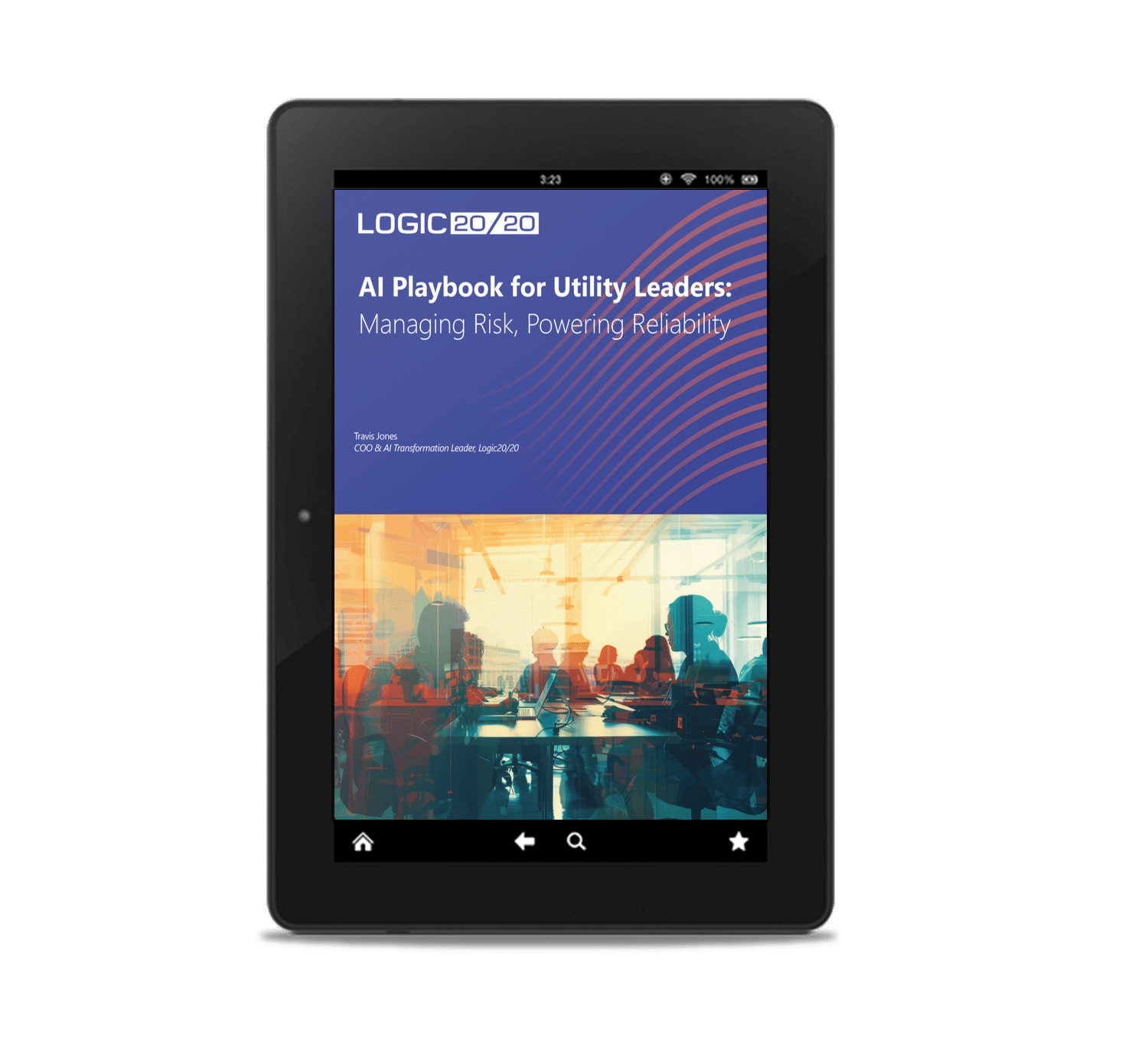
AI Playbook for Utility Leaders
Managing Risk, Powering Reliability
Explore a disciplined approach to integrating AI across operations, rate cases, and compliance—designed to strengthen reliability, manage risk, and deliver measurable results.

Grid operations
Learn how Logic20/20 partners with utilities to maintain a safe, dependable power supply.
“San Diego Gas and Electric has had the opportunity on multiple occasions to partner and collaborate with Logic20/20 on strategic initiatives associated with process improvement, data modeling, and regulatory compliance. Logic20/20’s team of analysts and managers demonstrate the highest level of competency, effectiveness, and professionalism that have netted productive and meaningful results helping to further continual improvement in our operations. I appreciate and thank them for their contributions.”
WMP VEGETATION MANAGER, SDG&E
Case studies
Logic20/20 helps utilities accelerate their journeys towards grid modernization, digital transformation, and enhanced customer experiences.
Featured
Enhancing customer experience with an OpenAI-driven virtual agent

Featured
A data-first approach to utility risk management

Featured
A utility’s path to smarter outage notifications
Insights

Utilities don’t need more AI use cases—they need a better starting point
Utilities unlock real AI value by changing how work gets done in high-impact workflows, not by adding more use cases.

What the Common Information Model (CIM) means for U.S. utilities
How CIM offers a shared structure for representing network data, giving leaders a more actionable view of operations
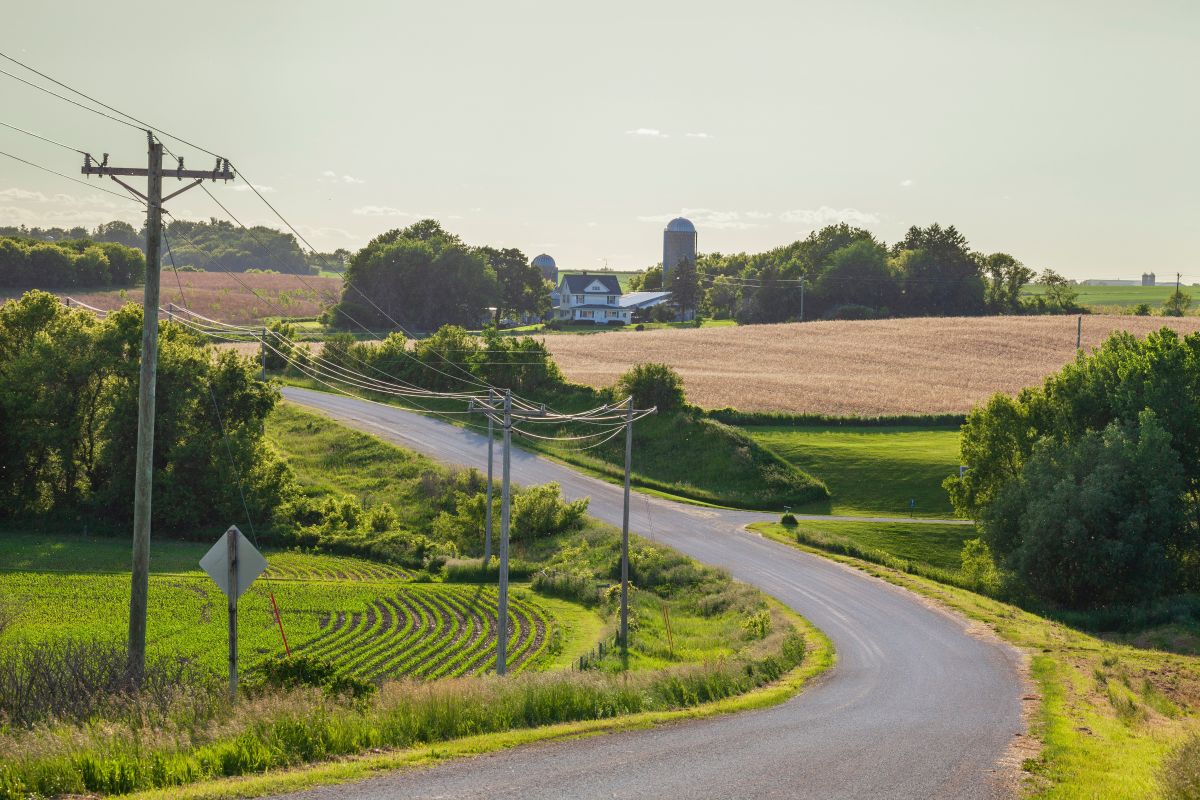
Impact of electrification in rural areas: Progress and challenges
Meeting the challenge of modernizing rural infrastructure while ensuring reliable, affordable, and sustainable power
years helping utilities
Projects completed successfully
work hours for 20+ clients
Who we’ve worked with











Let’s work through your operational challenges.